





How Independent Platforms are Opening New Doors in the Art World
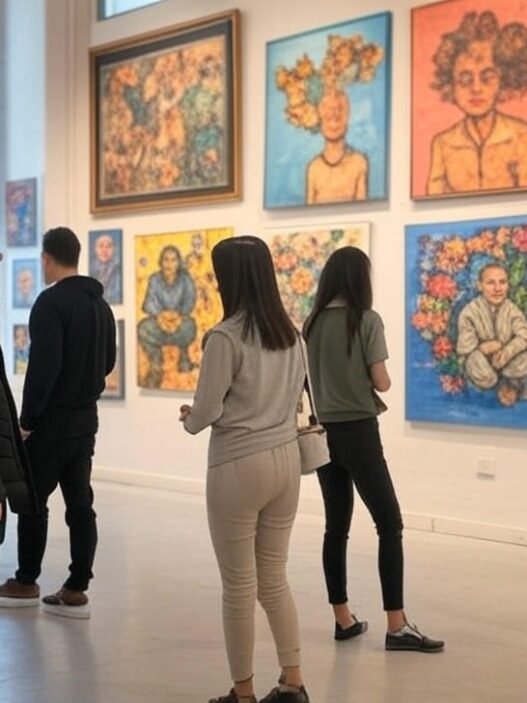
In the global art world, we often focus on the “big names”, famous museums like the Louvre, massive galleries in New York, and expensive art fairs. However, beneath these giant institutions, there is a vibrant, busy, and essential world known as Artist-Run Spaces. These are platforms managed not by wealthy businessmen or government officials, but by artists themselves.
Artist-run spaces are flexible, fast-moving, and often driven by a passion for creativity rather than a desire for profit. For many emerging artists and independent curators, these spaces are the most important entry points into a professional career. At the heart of these organizations is a very important tool: the open call.
What Exactly is an Artist-Run Space?
An artist-run space (sometimes called an “independent space” or “alternative space”) is exactly what it sounds like. It is a gallery or project space initiated and managed by a small group of artists or a collective. 
Because they are small, they can exist almost anywhere. You might find an artist-run space in a converted garage, a shared studio, a rented apartment, or even entirely online. Their defining characteristic is autonomy, they make their own rules.
- No Institutional Pressure: Unlike big museums, they don’t have to plan their shows three years in advance.
- No Market Pressure: Unlike commercial galleries, they don’t have to worry about whether a painting will sell for $10,000 to pay the rent.
This freedom allows them to take big risks. They can show art that is political, experimental, or “unfinished.” For a curator or an artist, this flexibility is a gift.
The Open Call: A Tool for Fair Access
In the traditional art world, “who you know” is often more important than “what you make.” Access to big galleries is often restricted to people with the right connections. Artist-run spaces challenge this through the open call.
An open call is an invitation for any artist to submit their work for a specific theme or exhibition. This mechanism creates an “ecosystem of opportunity.” It allows an artist in a small town to show their work in a major city without needing a famous agent. For many artists at the start of their journey, winning an open call from an artist-run space is their first “stamp of approval” from the professional world.
Experimentation: The Art World’s Laboratory
Because artist-run spaces aren’t worried about sales, they encourage experimentation. In a big museum, everything must be perfect and finished. In an artist-run space, the “process” is often more important than the “result.”
Open calls from these spaces often ask for:
- Site-Specific Work: Art created specifically for that one room or building.
- Collaborative Projects: Where two artists who have never met work together.
- Research-Based Art: Where the “artwork” might just be a collection of books, interviews, and notes.
This makes these spaces look like laboratories. They are places where artists can fail, learn, and grow without the fear of ruining a commercial reputation.
Building a Community, Not Just a Gallery
One of the most beautiful parts of the artist-run ecosystem is the community. When you are selected for an open call in a large institution, you might just drop off your work and leave. In an artist-run space, you usually help paint the walls, hang the lights, and sit with the other artists to discuss the meaning of the show.
These interactions create “horizontal networks.” This means everyone is on the same level. The connections you make during a small group show often lead to future projects, shared studios, and lifelong friendships. For many, the value of the open call isn’t the exhibition itself—it’s the people they meet during the process.
Opportunities for Emerging Curators
It’s not just artists who benefit. Artist-run spaces are the primary training ground for independent curators.
Many spaces put out open calls specifically for “curatorial proposals.” This allows a young curator to test a theory or a theme. Because these spaces have small teams, the curator often does everything: they research the artists, design the catalog, handle the social media, and even install the artwork. This “hands-on” experience is incredibly valuable for building a professional resume.
The Real Challenges: Money and Visibility
We must be honest: running an independent space is very difficult.
- Funding: Most of these spaces survive on very small budgets. Sometimes the artists pay the rent out of their own pockets. This means they cannot always pay “artist fees” or provide expensive insurance.
- Sustainability: Many artist-run spaces only last for two or three years before the founders get tired or run out of money.
- Visibility: A show in a basement might be amazing, but if no critics from major newspapers come to see it, the “fame” of the exhibition stays small.
Artists must balance these facts. You get freedom and community, but you usually don’t get a big paycheck or international fame immediately.
Redefining What “Success” Means
Artist-run spaces help us rethink what “value” is in art. In the commercial world, a successful artist is one who sells everything. In the artist-run world, a successful project is one that starts a conversation, challenges a social norm, or teaches the artist something new.
By prioritizing dialogue over dollars, these spaces keep the art world healthy. They ensure that new, “unseen” voices have a place to speak. Without these small spaces, the art world would become a boring place filled only with safe, expensive paintings.
The Digital Expansion
Today, the “space” doesn’t even have to be a physical building. Many artist-run initiatives now operate through digital open calls. They host virtual residencies and online exhibitions. This has been a huge win for accessibility. An artist with a physical disability or someone living in a country with travel restrictions can now participate in a global creative conversation.
The Parallel Infrastructure
Think of artist-run spaces as a “parallel infrastructure.” They don’t replace the big museums; they work alongside them. In fact, most of the artists you see today in the world’s most famous museums started their careers in a tiny, artist-run space with a simple open call.
These spaces remind us that the art world isn’t just a market, it is a community. They prove that you don’t need a million dollars to create a meaningful exhibition. All you need is a space, a group of dedicated people, and an open door for others to join.