






A New Chapter Begins in Berlin
The official website for the 13th Berlin Biennale for Contemporary Art has gone live, officially kicking off preparations for what promises to be one of the most significant contemporary art events in Europe in 2026.
The Berlin Biennale, held every two years, has earned a reputation as one of the most politically engaged and intellectually rigorous biennales in the world. Known for its critical edge, experimental curatorial approaches, and willingness to tackle complex social and political issues, the event consistently draws international attention from artists, curators, collectors, and critics. 
While the full curatorial concept, artistic director, exact dates, and participating artists have not yet been announced, the launch of the new website signals that planning is well underway. The 13th edition is expected to maintain the biennale’s tradition of presenting ambitious, site-specific projects across a wide range of venues throughout Berlin — from established institutions like KW Institute for Contemporary Art and Hamburger Bahnhof to unconventional public spaces, historical buildings, and temporary locations.
A History of Provocation and Relevance
Since its founding in 1998, the Berlin Biennale has distinguished itself by responding directly to the social and political realities of its time. Past editions have addressed urgent topics including migration and borders, the legacies of colonialism, economic inequality, ecological crisis, and the role of technology in shaping contemporary life. The biennale is particularly respected for platforming emerging and mid-career artists alongside more established names, often giving space to voices and perspectives that are underrepresented in the mainstream art world.
Berlin’s unique history as a city shaped by division, reunification, and ongoing transformation provides a powerful backdrop for the biennale’s critical inquiries. Many previous editions have used the city’s layered architecture and public spaces to create meaningful dialogues between art and its environment.
What to Expect in 2026
Although details remain under wraps, the 13th Berlin Biennale is expected to continue this legacy of thoughtful provocation. In a global context marked by geopolitical tensions, technological acceleration, environmental challenges, and shifting cultural landscapes, the biennale will likely offer a platform for artists to reflect on questions of democracy, belonging, memory, and resistance.
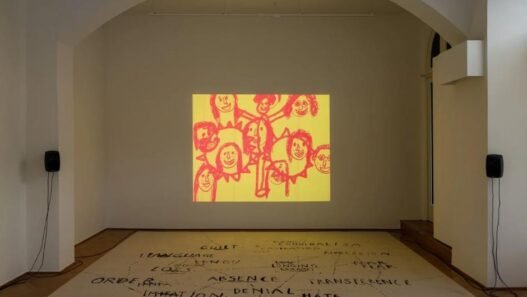
The multi-venue format allows for diverse artistic interventions — ranging from large-scale installations and performances to discursive programs, film screenings, and community-based projects. This distributed model has become one of the Berlin Biennale’s signature strengths, enabling deeper engagement with the city and its inhabitants.
As anticipation builds, the art world will be watching closely to see which curator is appointed and what thematic direction the 13th edition will take. Given Berlin’s vibrant and often radical contemporary art scene, expectations are high for a bold and relevant program.
Artinfoland will continue to follow the development of the 13th Berlin Biennale and will bring you exclusive updates, artist announcements, and curatorial insights as soon as they are released.
In the meantime, mark your calendars for 2026 — the 13th Berlin Biennale is shaping up to be a major moment for contemporary art in Europe.