




The African art market in 2025 has moved beyond the “emerging” label to become a central pillar of the global creative economy. No longer just a source of “discovery” for Western collectors, the continent has solidified its own internal infrastructure, with Marrakech, Lagos, and Cape Town acting as high-velocity hubs. The current horizon is defined by sovereign storytelling—African artists and curators are increasingly reclaiming their narratives, shifting away from external validation toward building sustainable, tech-savvy, and digitally integrated local ecosystems.
Here are the top five art events of 2025 that defined the year, balancing institutional prestige with cutting-edge impact.
1. 1-54 Contemporary African Art Fair | Marrakech
Established in 2013, 1-54 is the leading international fair dedicated to contemporary art from Africa and its diaspora. While it holds editions in London and New York, the Marrakech edition (launched in 2018) is its only African home, bridging the gap between North African and Sub-Saharan art markets, emphasizing Marrakech’s role as a “gateway city” for global collectors entering the African market.
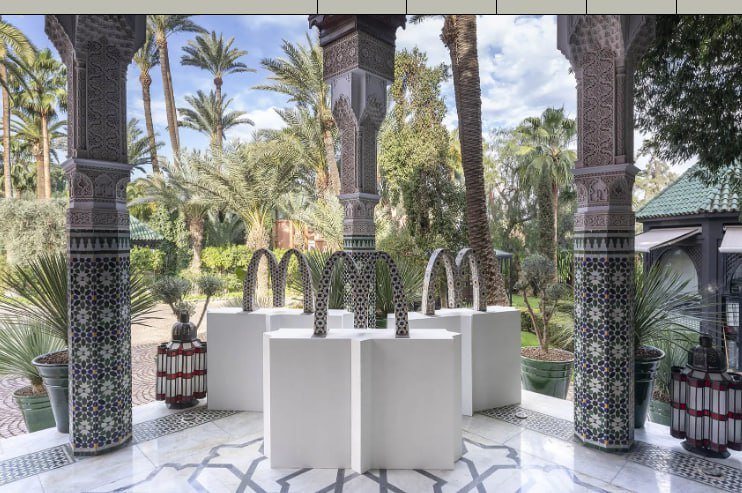
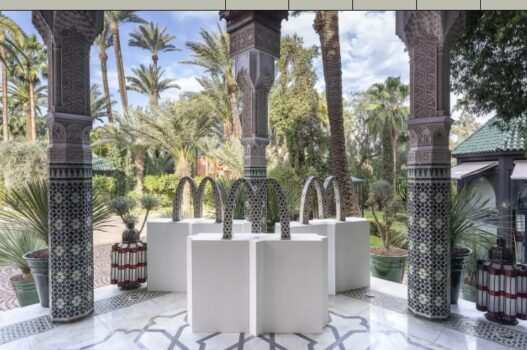
As the only African edition of the 1-54 franchise, Marrakech 2025 was a masterclass in blending luxury with local heritage. Held at the iconic La Mamounia, the 2025 edition saw a record surge in institutional buying, the fair reported record-breaking sales, including a major acquisition of Amoako Boafo’s Blank Stare by the Tate London.
The fair’s “DaDa” section in the medina specifically championed avant-garde, emerging galleries, ensuring that the commercial success didn’t overshadow the experimental spirit of the continent’s youth.
Date: January 30 – February 2, 2025
Website: 1-54.com
2. Investec Cape Town Art Fair (ICTAF) | Cape Town
Now in its 12th year, ICTAF is Africa’s largest international art fair. It is renowned for its highly organized commercial structure and its ability to attract serious international galleries from Europe and the Americas to South African soil.
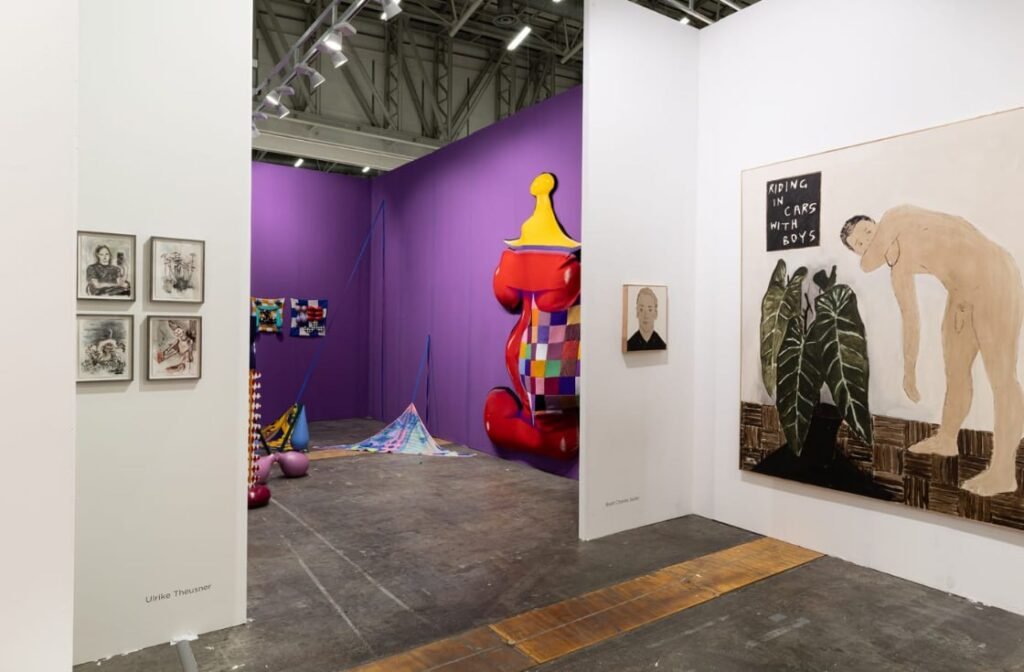
Celebrating its 12th year with the theme “PLAY,” the fair attracted over 30,000 visitors and featured a curated mix of 124 galleries from 58 countries, proving the market’s resilience and growth.
The fair leaned heavily into “anti-contemporary” themes, focusing on tactile, organic materials and indigenous cosmologies. The Tomorrows/Today prize, won by Agnes Essonti Luque, highlighted the market’s shift toward multidisciplinary works that explore food, memory, and domesticity, positioning the prize as an early indicator of the next major voices in African art.
The 2025 edition recorded a 20% increase in international exhibitors, reaffirming the South African market’s position as the continent’s most sophisticated commercial engine.
Date: February 21 – 23, 2025
Website: investeccapetownartfair.co.za
3. Dakar Biennale (Dak’Art) | Dakar
Founded in 1989/1992, Dak’Art is Africa’s oldest and most prestigious biennial. Unlike the commercial fairs, this is a state-supported, curator-led intellectual powerhouse that focuses on the critical and experimental side of African creativity.
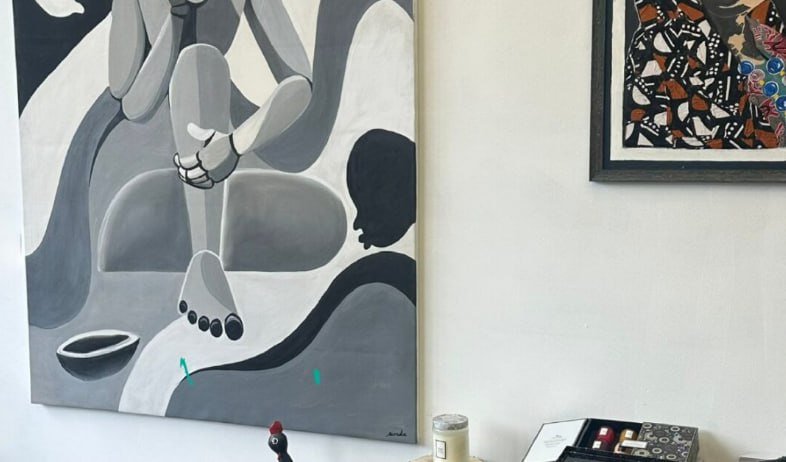
As Africa’s oldest and most prestigious biennial, Dak’Art 2025 stood as the year’s “intellectual North Star,” cementing its role as the primary reference point for critics and museum curators. It transformed Dakar into a city-wide gallery, utilizing everything from the Museum of Black Civilisations to abandoned colonial-era buildings.
While fairs focus on the market, Dak’Art focused on the critique. It brought together the world’s leading curators and thinkers to discuss “Trans-African” identities, making headlines for its massive “OFF” program, which featured over 300 independent exhibitions throughout Senegal.
Dak’Art remains the ultimate talent-scouting ground for international biennials, where “undiscovered” African masters are routinely brought to the global forefront.
Date: May 30 – July 1, 2025
Website: biennaledakar.org
4. FNB Art Joburg | Johannesburg
As the continent’s longest-running contemporary art fair (18 years), FNB Art Joburg is the “Grand Elder” of the scene. It is deeply rooted in the Johannesburg gallery ecosystem and emphasizes quality and curation over sheer volume.
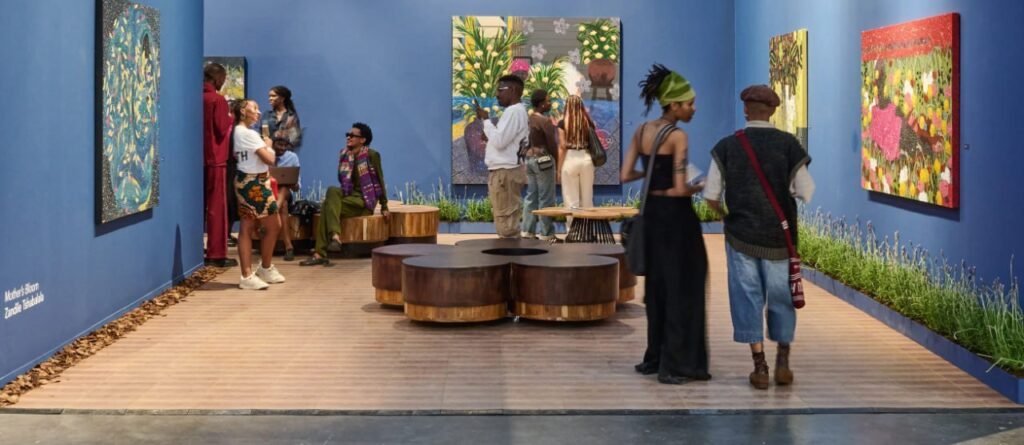
The 2025 edition made waves with the “Africa Re-Union” initiative, which literally inverted the African map to challenge colonial cartography.
It successfully integrated the “Open City” program—a 16-day citywide activation that made art accessible to the general public, not just VIP collectors. By gifting major works to the UNISA Art Gallery rather than selling them to private collectors, the 2025 fair made a powerful statement about institutional building and keeping significant African works on the continent.
Date: September 5 – 7, 2025
Website: artjoburg.com
5. LagosPhoto Biennale | Lagos & Ibadan
Founded in 2010 by the African Artists’ Foundation, LagosPhoto was originally an annual festival. In 2025, it made its historic transition into a Biennale format, allowing for deeper, research-driven curatorial projects.
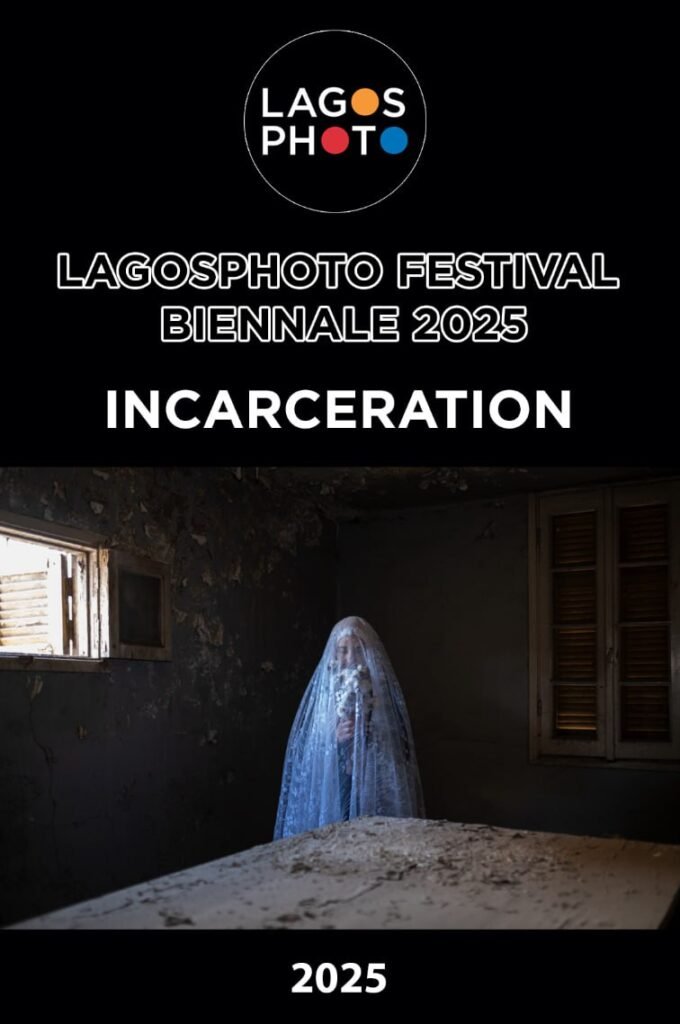
Centered on the provocative theme of “Incarceration,” it expanded beyond the camera lens to include large-scale installations and performative art.
The event was a masterstroke of curatorial activism. By using sites like Freedom Park (a former colonial prison), it forced a direct dialogue between the art and Nigeria’s history. It featured global heavyweights like Shirin Neshat alongside emerging West African talents, cementing Lagos as the avant-garde capital where the most daring socio-political questions are being asked.
Its impact on the market was felt through its expansion into “lens-based media,” attracting a new wave of collectors interested in African digital and performative photography.
Date: October 25 – November 29, 2025
Website:lagosphotofestival.com