




In the traditional “White Cube” era, the artist was often viewed as a conqueror, someone who forced stone, metal, or pigment to submit to a specific human vision. But as we navigate the complex ecological realities of 2026, a radical shift is occurring. We are entering the age of Material Intelligence.
Material Intelligence is the practice of recognizing that every substance (from ancient clay to bio-synthetic mycelium) possesses its own agency, history, and “will.” For the professional artist, success is no longer about total control; it is about the quality of the dialogue between the creator and the substance.
1. The End of Anthropocentric Dominance
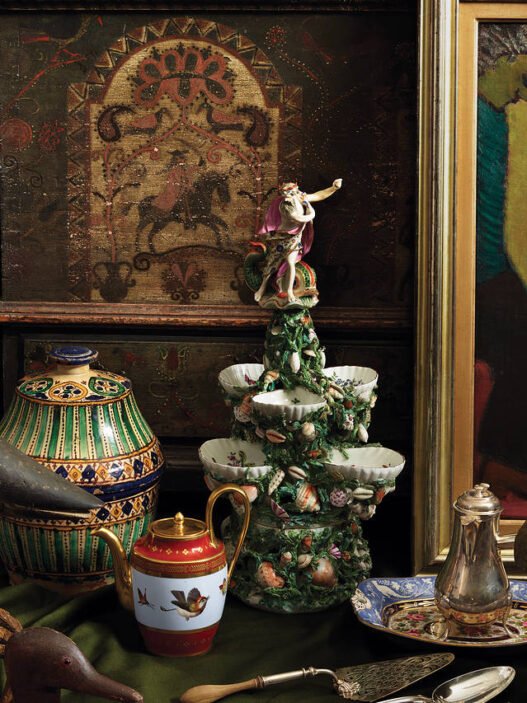
For centuries, “intelligence” was reserved for the human mind. Material Intelligence argues that substances have their own form of wisdom. A piece of reclaimed timber “wants” to curve according to its grain; a bioplastic “wants” to respond to the humidity of the gallery.
- The 2026 Shift: Artists who fight against a material’s natural tendencies often create works that feel forced or brittle. Artists who “listen” (who allow the material to dictate the final form) are creating works that feel resonant, organic, and historically grounded.
2. Bio-Agency: Working with Living Systems
In 2026, the most exciting frontier of Material Intelligence is Bio-Art. When working with living organisms like fungal mycelium, algae, or bacterial cellulose, the artist becomes a “co-author” rather than a sole creator.
- The Sample: Think of the works of artists like Anicka Yi. She doesn’t just “use” scent or bacteria; she provides an environment where they can perform. Listening to what a fungus “wants” to do involves understanding its growth patterns, its lifespan, and its eventual decay. This is intelligence applied to biology.
3. The “Invisible” Intelligence of Digital Matter
Material Intelligence isn’t limited to physical objects. In the “Post-Digital” era, code, pixels, and AI datasets are treated as raw materials.
- The Strategy: A digital artist practicing material intelligence asks: “What does this algorithm naturally tend toward?” Instead of forcing AI to look like a traditional painting, they lean into its “glitches,” its hallucinations, and its inherent logic. They treat the software as a digital “grain” to be followed.
4. Economic and Ethical Sustainability
Listening to materials is also an economic necessity in 2026. Material Intelligence leads to Zero-Waste Studios.
- The Impact: When an artist understands the molecular life of their materials, they learn how to recycle, reclaim, and repurpose them. This reduces the “hidden architecture” of production costs and aligns the practice with the strict “Green Standards” now required by international biennials and public grants.
5. The Curator’s Role: Displaying Intelligence
For curators, the challenge is displaying this intelligence. Instead of just showing a finished object, 2026 exhibitions often show the “process” or the “evolution” of the material.
- The Experience: Galleries are becoming sensory-rich environments where the smell of the wood, the texture of the stone, and the humidity of the bio-art are part of the “intelligence” being shared with the visitor.
Artinfoland Professional Tip:
In your next residency application, don’t just describe what you want to make. Describe how you intend to listen. Mentioning Material Intelligence signals to committees that you are a sophisticated practitioner who understands the ethical and physical weight of your medium.