








While art history is often taught as a sequence of creative breakthroughs by solitary geniuses, the reality is more symbiotic. Behind every radical movement, there was a collector who possessed the vision, wealth, and conviction to preserve work that the rest of the world was not yet ready to see. These individuals were not merely buyers; they were the primary architects of the cultural canon.
As we navigate the decentralized market of 2026, looking back at these “Legacy Strategists” reveals that the most influential collectors are those who act as partners in the artistic process rather than just consumers of the final product.
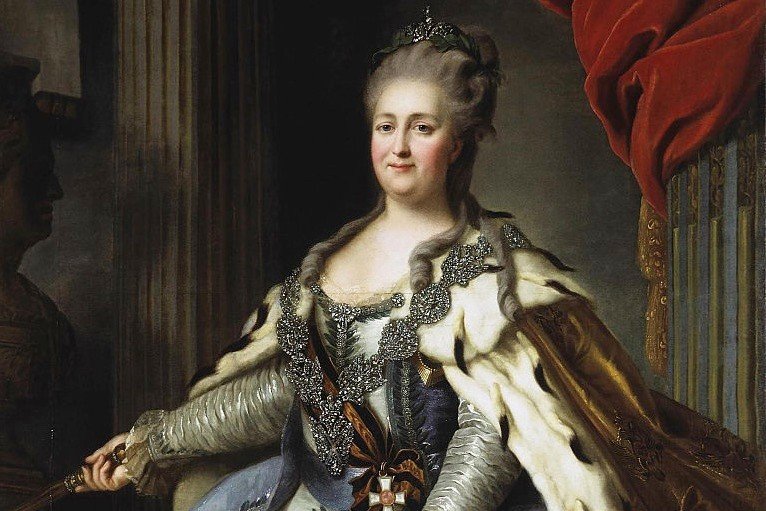
1. Catherine the Great: Collecting as Statecraft
In the 18th century, Catherine the Great used art as a geopolitical tool to reposition Russia as a leading intellectual power. In 1764, her purchase of 225 paintings from the Berlin merchant Johann Ernst Gotzkowsky laid the foundation for the State Hermitage Museum. By aggressively acquiring masterpieces by Rembrandt and Titian, she effectively moved the cultural “center” of Europe eastward. Her legacy proves that large-scale collecting can transform the identity of an entire nation.

2. Gertrude Stein: The Power of the Avant-Garde Salon
Gertrude Stein represents the “Patron of the Future.” At a time when the public and institutions ridiculed the early experiments of Cubism and Fauvism, Stein’s Paris salon became a sanctuary for innovation. By recognizing the genius of Picasso and Matisse before they were household names, she provided the psychological and financial floor that allowed Modernism to survive its infancy. Her influence demonstrates that a collector’s greatest asset is not their bank account, but their eye for emerging disruption.
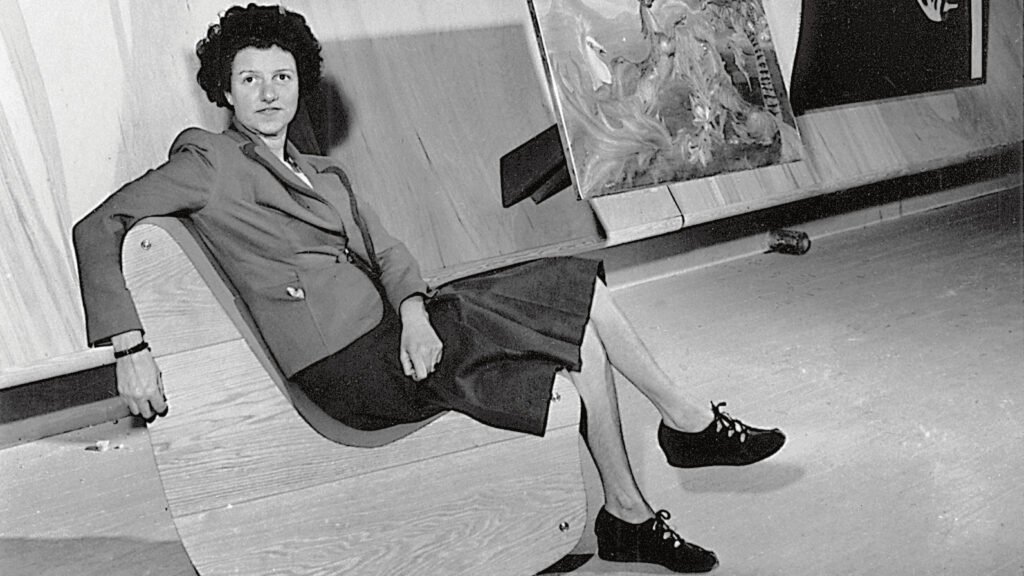
3. Peggy Guggenheim: Transplanting the Global Capital
Peggy Guggenheim was the bridge between the European Surrealists and the American Abstract Expressionists. Her gallery-museum, Art of This Century, was the most influential space of the 1940s. By providing Jackson Pollock with his first solo exhibition and a monthly stipend, she allowed him to focus entirely on his radical “drip” technique. By moving her collection from war-torn Europe to New York, she effectively helped the city replace Paris as the global capital of contemporary art.

4. Dorothy and Herbert Vogel: The Democratization of Stewardship
The Vogels (a librarian and a postal clerk) proved that critical value is not always tied to massive wealth. Living in a modest New York apartment, they amassed over 4,000 works of Minimalism and Conceptual Art by buying directly from artists before they were famous. Their devotion to “difficult” art, which they later donated to the National Gallery of Art, ensured that an entire era of radical thought was preserved for the public rather than being lost to private speculative cycles.
5. The Rockefellers: The Professionalization of Legacy
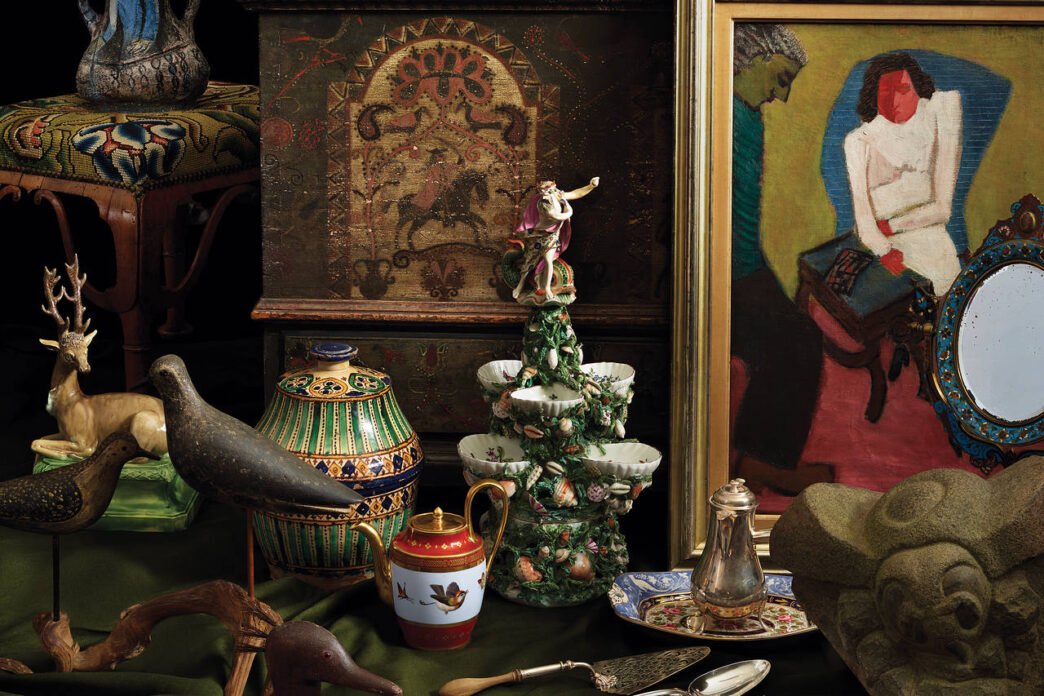
Peggy and David Rockefeller exemplified the “Institutional Collector.” Their approach was characterized by a focus on “Blue-Chip” excellence and a deep sense of stewardship for the Museum of Modern Art (MoMA). They treated their collection as a curated, museum-grade archive, setting the standard for how private wealth can systematically sustain public cultural life. Their legacy remains the benchmark for the “Professional Collector” model we see in the 2026 market today.
The common thread among these five legends is conviction. They didn’t wait for market data to validate their choices; they created the market through their support. For the modern collector in 2026, the lesson is clear: true influence comes from identifying the narrative value of an artist’s work long before it becomes a statistic on an auction report.