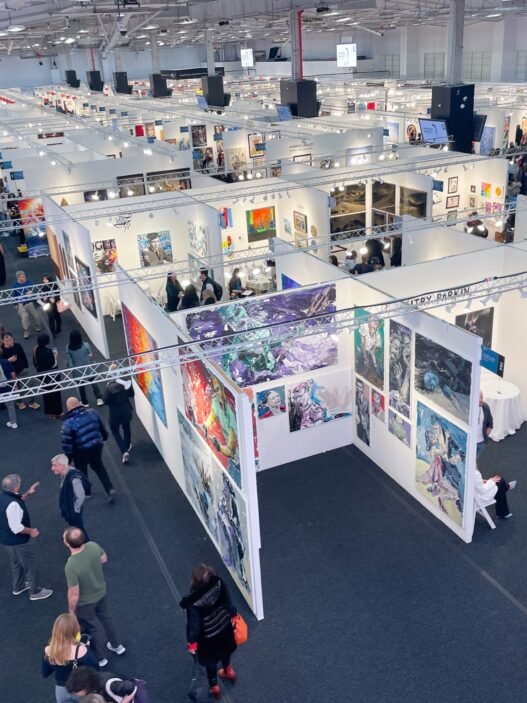






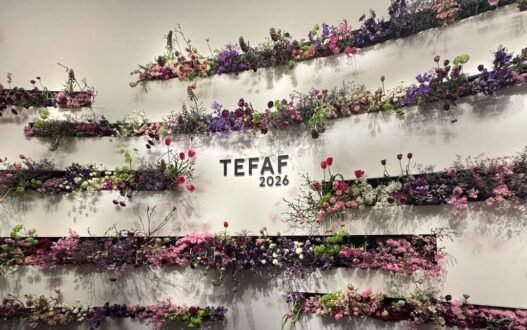
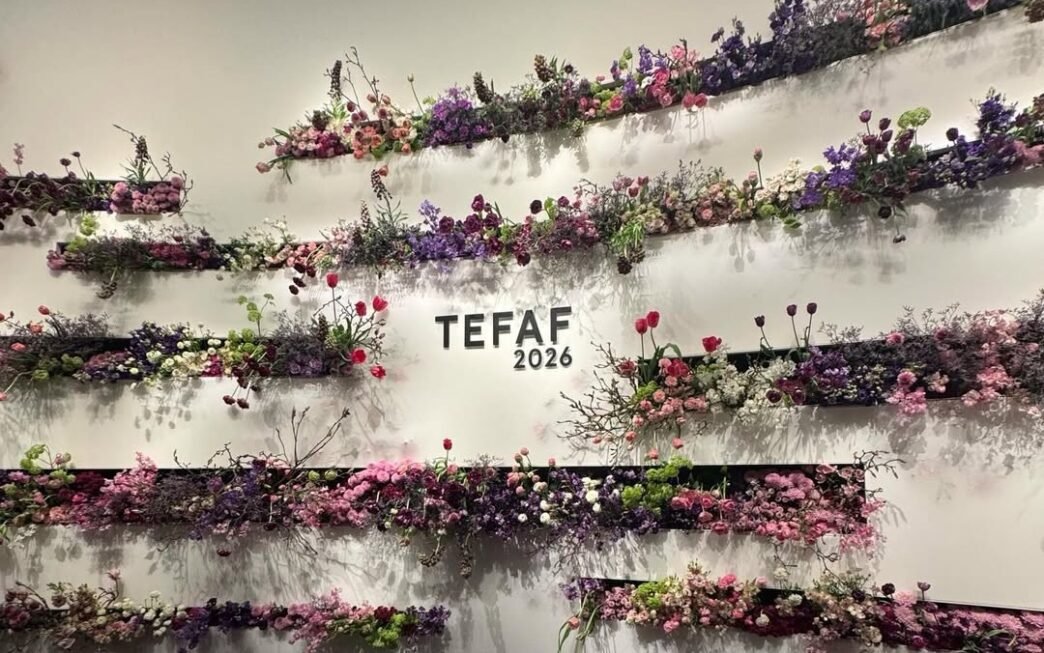
As the doors open at the MECC Maastricht this week (March 14–19, 2026), the global art world turns its gaze toward what remains the undisputed gold standard of art fairs. TEFAF (The European Fine Art Foundation) is not merely a marketplace; it is a museum-grade event where the “Quiet Audience” of institutional directors and legacy collectors meets to define the high-end market for the year.
For the Artinfoland Magazine professional, TEFAF 2026 represents the ultimate manifestation of “Material Intelligence” and “Stewardship,” bridging the gap between 7,000 years of art history and the speculative trends of the present.
1. The Institutional Magnet: 2026 Acquisition Trends
TEFAF is famous for its rigorous vetting process (the strictest in the world) making it the primary hunting ground for museum acquisition committees. In 2026, we are seeing a significant shift in institutional buying:
- The “Forgotten” Masters: Following the “Strategic Deaccessioning” trends we’ve discussed, museums are using TEFAF to acquire works by female Old Masters and under-represented regional artists from the 17th and 18th centuries to rebalance their permanent collections.
- Cross-Category Collecting: The most successful 2026 collectors are moving away from silos. We are seeing a “Total Design” approach where a contemporary sculpture is placed alongside an ancient Roman marble or a piece of 18th-century French furniture.
2. The Old Masters Market: Stability in Volatile Times
While the “Ultra-Contemporary” market often experiences volatility, the Old Masters section at TEFAF remains the bedrock of the 2026 market.
- Provenance is King: In an age of digital transparency, works with an impeccable chain of ownership (some dating back to the artist’s studio) are commanding record premiums.
- The “Rediscovery” Factor: Keep an eye on the TEFAF Showcase section, where younger dealers often present “lost” works that have recently been authenticated through new scientific imaging technologies.
3. TEFAF Modern & Contemporary: The “Blue-Chip” Filter
TEFAF’s modern section differs from fairs like Art Basel. It focuses on works with “Historical Weight.” The 2026 Focus: There is a strong resurgence in Tactile Modernism (works by artists like Barbara Hepworth or the post-war Japanese Gutai group) that emphasize the physical “matter” of art as a reaction to the AI-generated boom.
- Jewelry as Art: The “Haute Joaillerie” section is seeing record engagement, as high-net-worth collectors increasingly view unique, artist-designed jewelry as a portable and resilient asset class.
Why TEFAF Maastricht Stands Out
- Ultra-High-End & Eclectic Mix: Expect masterpieces from Rembrandt (e.g., Self-Portrait Frowning, 1630), Paul Gauguin (Bouquets et céramique sur une commode, 1886), Claude Monet (Landscape – Factories, c. 1858–61), and Berthe Morisot (Jeune fille au chien, 1892). Contemporary highlights include new works by Caroline Walker (a specially commissioned Showbar, 2026, at Grimm Gallery) and pieces from Josef Albers, Georg Baselitz, Tracey Emin, Andreas Gursky, and Howardena Pindell (White Cube stand).
- Design & Modern Focus: Strong emphasis on mid-century and contemporary design—e.g., Gerrit Rietveld furniture (Van den Bruinhorst), Antoine Vollon realist paintings (Demisch Danant), Abstract Expressionism, Scandinavian/De Stijl pieces, French Realist painting, African Modernist ceramics, and American photography.
- Jewelry & Decorative Arts: Renowned for exceptional fine jewelry and Sèvres porcelain, appealing to collectors seeking rare, investment-grade items.
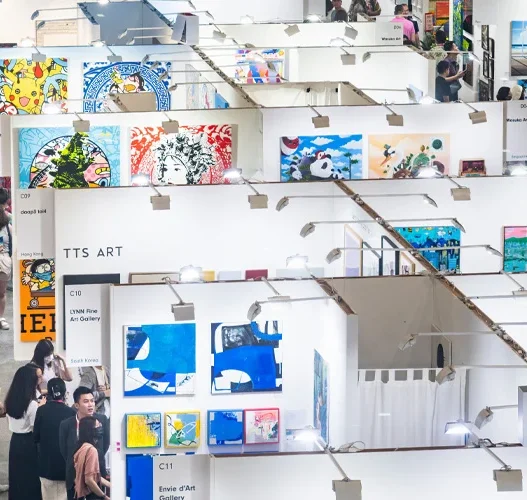
- Diversity & Fresh Voices: 276–278 dealers overall, with a balanced mix of established names (e.g., Nicholas Hall at stand 363, White Cube at 400) and newer participants. Archaeological pieces, modern/contemporary, and cross-category stands (e.g., Boris Vervoordt bringing modern works alongside antiquities) highlight TEFAF’s signature eclecticism.
Key Programming & Events (2026 Edition)
- TEFAF Summit (Monday, March 16): In association with the Netherlands Commission for UNESCO, this explores culture’s role in economy, social development, health, and public policy, featuring panels with 30+ international experts.
- TEFAF Talks & Meet the Experts: Registrations open for talks; expert sessions announced soon, complimentary for ticket holders.
- Art Business Conference (March 13): Half-day event for professionals (museum directors, advisors, galleries, collectors) with networking lunch and exclusive fair access during Collectors Preview.
- Related Exhibitions: Preview of Gerard van Honthorst’s The Ecstasy of Mary Magdalene (recently acquired by Centraal Museum Utrecht) ahead of its full show (April 25–September 13, 2026).
- Dining & Atmosphere: Curated restaurants/bars, welcoming vibe, Maastricht’s compact, historic setting makes it easy to combine with local museums like Bonnefanten.
Practical Info
- Opening Hours: Invitation-only previews March 12–13 (11:00–19:00); public March 14–19.
- Tickets: €80 weekend (March 14–19), €52.50 weekdays (March 16–19), €175 multiple-entry, available online via tefaf.com.
- Visitor Profile: Attracts ~50,000 visitors annually (collectors, advisors, designers, academics, students), a magnet for serious buyers and connoisseurs.
- Market Context: Coming right after the UBS/Art Basel 2026 report’s positive 4% growth in 2025, TEFAF positions itself as a high-end rebound hub amid global optimism.
Navigating the Fair
If you are attending or tracking the sales reports from Maastricht this week, focus on “Legacy Thinking.” The works sold at TEFAF are intended to be held for generations.
- The Vetting Process: Remember that every object has been examined by 175 international experts. This “Institutional Vetting” is what creates the price confidence seen at this level of the market.
- The Collector Profile: This is the best place to observe the “Professional Collector” model we studied, individuals who treat their private collections with the same rigor as a public museum.
TEFAF Maastricht remains essential for anyone serious about art history, quality, and discovery, its rigorous vetting ensures every piece is exceptional. If you’re attending or covering for Artinfoland, focus on the Old Masters-to-contemporary bridge and design resurgence.