






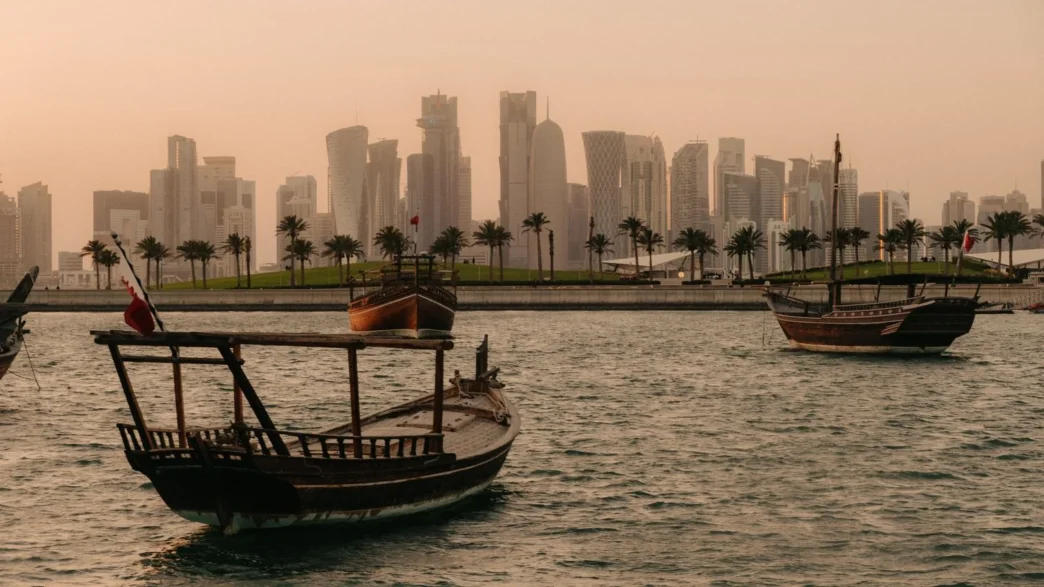
The inaugural edition of Art Basel Qatar, which opened this week in Doha (February 3–7, 2026), is more than just a new fair; it is a calculated reimagining of how the global art market engages with the Global South. As Art Basel’s first-ever permanent footprint in the Middle East, the fair marks a historic shift in the MENASA (Middle East, North Africa, and South Asia) art corridor, placing Doha at the center of a new, high-velocity cultural exchange.
A Radical Departure: The “Open-Format” Model
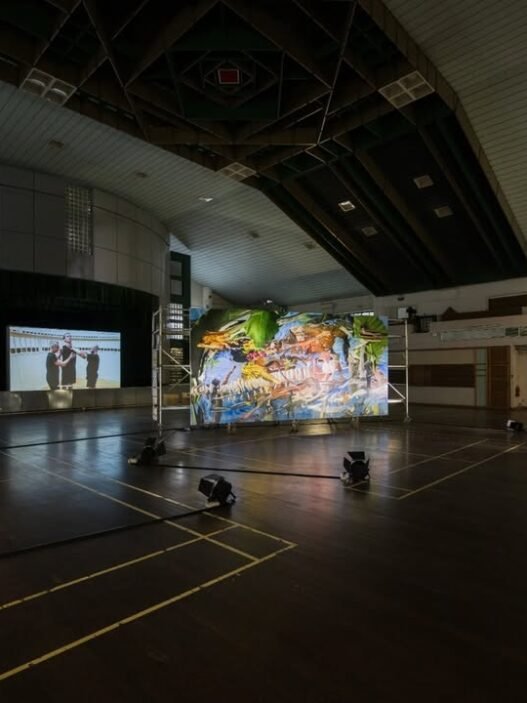
Under the artistic direction of renowned Egyptian artist Wael Shawky, the fair has famously abandoned the rigid, commercial grid of traditional gallery booths. Instead, visitors at M7 and the Doha Design District are navigating an “open-format” exhibition structure.
- The Theme: “Becoming”, Shawky’s vision centers on the Gulf as a metaphor for rapid human transformation.
- The Strategy: Rather than a chaotic mix of works, the 87 participating galleries (representing 31 countries) were invited to present solo artist projects. This shift reframes the fair as a curated museum-quality journey, encouraging collectors to engage deeply with a single artist’s narrative rather than making quick, transactional purchases.
The African Presence: Strengthening the Corridor
One of the most significant impacts of the Doha fair is the unprecedented visibility it provides for North and Sub-Saharan African galleries. By bypassing the traditional routes through London or Paris, these artists are engaging directly with the concentrated wealth and institutional power of the Gulf.
Key African Highlights at Art Basel Qatar 2026:
- Historical Anchors: The presence of masters like El Anatsui (Ghana, via October Gallery) and the late Amir Nour (Sudan, via Lawrie Shabibi) provides a historical weight to the fair, proving that African modernism is a vital part of the global canon.
- Maghreb Visibility: Moroccan and Tunisian galleries are having a breakout moment. Le Violon Bleu (Tunis) and Loft Art Gallery (Casablanca) have made their Art Basel debuts, bringing artists like Farid Belkahia and Mustapha Azeroual to a global audience.+1
- The Egyptian Wave: Gallery Misr (Cairo) is showcasing Souad Abdelrasoul, while Gypsum Gallery (Cairo) presents Mohamed Monaiseer, bridging the gap between Cairo’s historic art scene and Doha’s ultra-modern market.
Beyond the Booth: Special Projects & City-Wide Impact
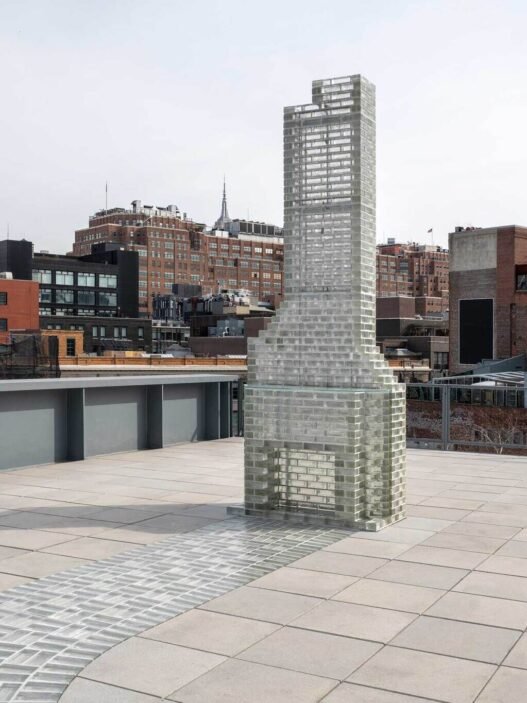
The fair’s energy extends far beyond the walls of M7. The “Special Projects” program has activated Msheireb Downtown Doha with nine large-scale, site-specific installations.
- Headline Grabber: The unveiling of SONG by Jenny Holzer (a massive site-responsive work at the Museum of Islamic Art featuring 700 drones) stole the headlines on the opening night, using the poetry of Mahmoud Darwish to light up the Doha sky.
- Public Dialogue: Artists like Sophia Al-Maria and Ahmed Mater have used public spaces to challenge traditional notions of identity and urban expansion, making the fair a civic event for the people of Qatar, not just a closed-door VIP lounge.
What This Means for the 2026 Art Market
The inaugural Art Basel Qatar signals three major shifts for the year ahead:
- The Rise of South-South Trade: The direct economic link between hubs like Lagos, Marrakech, and Doha is maturing. Collectors are increasingly comfortable buying within this corridor without seeking “Western approval.”
- Institutional-First Sales: With Qatar Museums as a key partner, the fair is designed for institutional acquisitions, favoring research-heavy and monumental art over “flips” or decorative pieces.
- The Fair as a Curator: By giving an artist like Wael Shawky the “keys to the fair,” Art Basel is signaling that the future of successful art events lies in curatorial rigor and storytelling, not just real estate sales.
Artinfoland Takeaway: For our readers, Art Basel Qatar is a clear signal that the Middle East and Africa are no longer “emerging” markets; they are the new destination for the most ambitious projects in contemporary art.