





A Bold New Mediterranean Voice Emerges
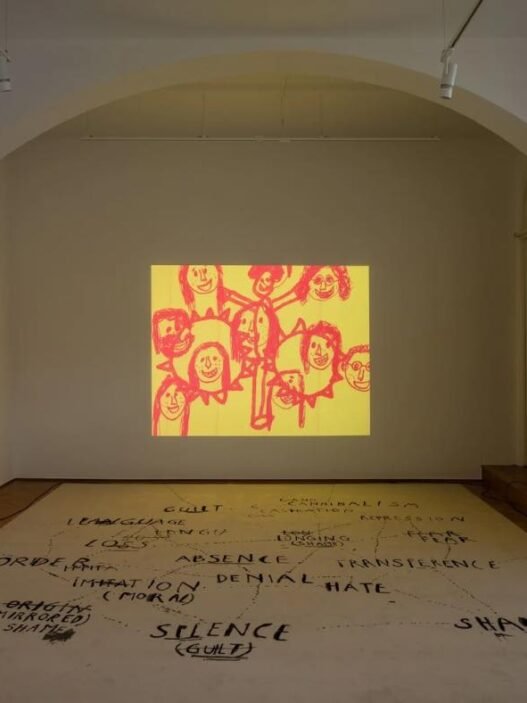
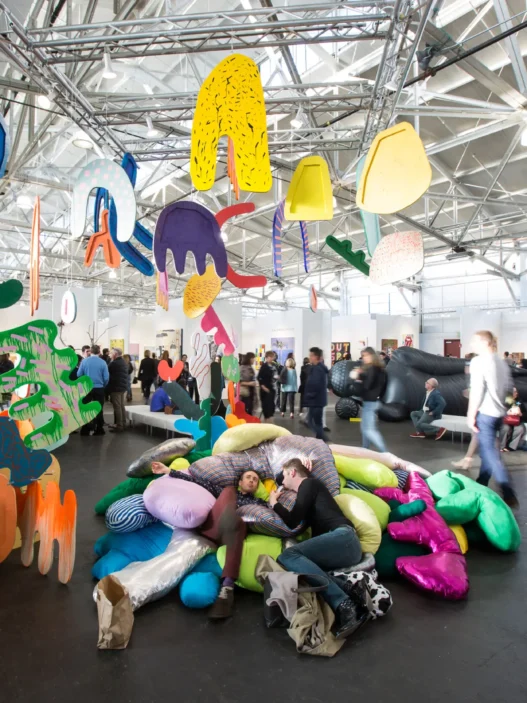
Running from March 11 to May 29, 2026, the inaugural Malta Biennale is quickly establishing itself as one of the most intriguing new additions to the global biennale calendar. Titled “CLEAN | CLEAR | CUT”, the exhibition uses Malta’s dramatic Mediterranean landscape and its complex layered history as both setting and subject.
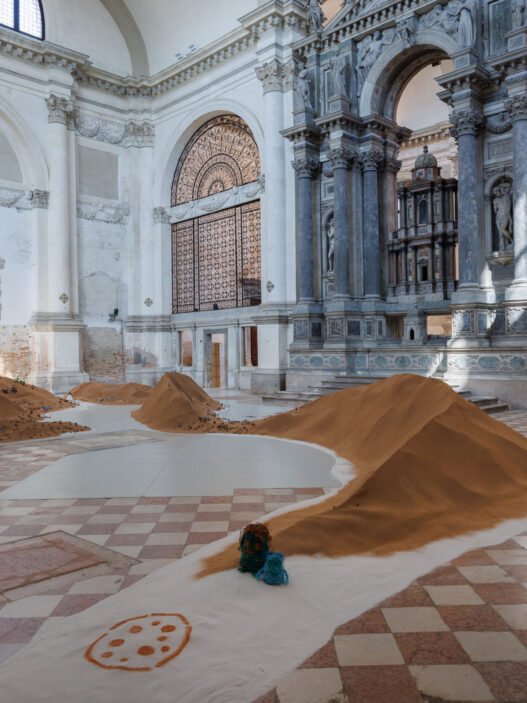
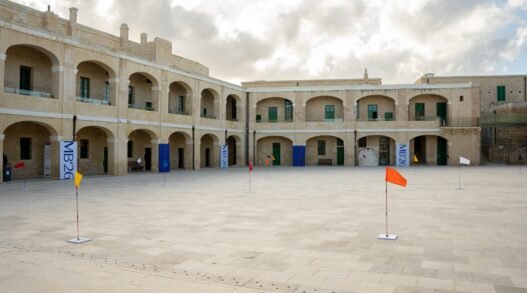
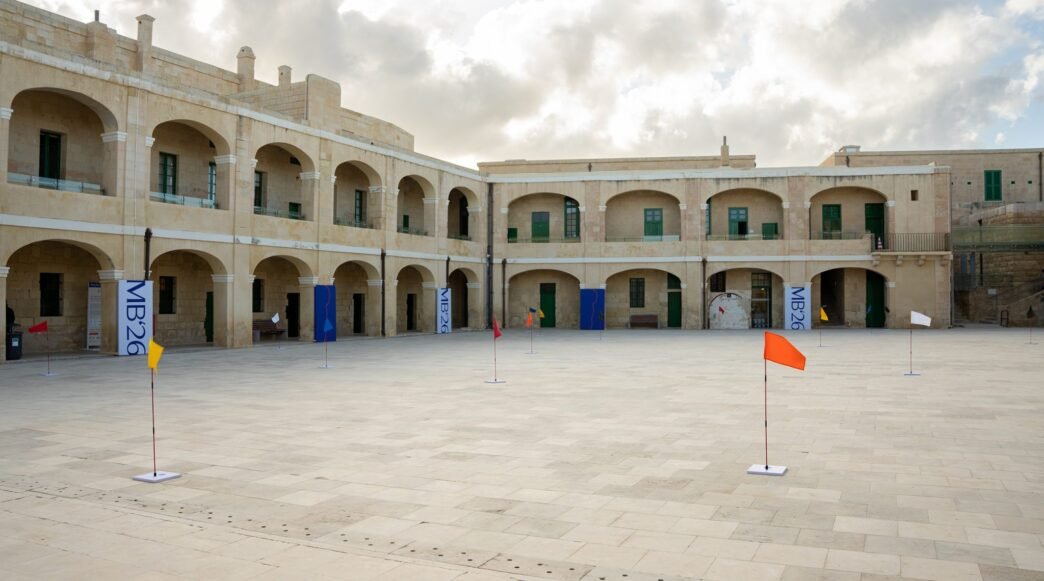
Unlike many large-scale biennales that take place in major art capitals, the Malta Biennale deliberately spreads its exhibitions across historic and symbolic locations — including ancient fortresses, baroque palazzos, coastal bastions, and former military sites. This site-specific approach creates a powerful dialogue between contemporary art and Malta’s rich, often turbulent past as a strategic crossroads between Europe, North Africa, and the Middle East.
Strong Mediterranean and African Perspectives
What makes the 2026 edition particularly noteworthy is its deliberate emphasis on Mediterranean and African voices. The curatorial team has prioritized artists from the broader Mediterranean region and the African continent, offering a platform that feels refreshingly distinct from the usual European-centric biennale model.
The title “CLEAN | CLEAR | CUT” invites multiple readings — from the sharp clarity of light in the Maltese landscape to the violent “cuts” of history, colonialism, migration, and environmental change. Many of the commissioned works engage directly with themes of borders, memory, decolonization, maritime routes, and ecological fragility.
Exhibitions are staged in powerful historic venues such as:
- Fort St. Elmo
- Valletta’s Grand Harbour area
- Various historic palazzos and former military structures
This integration of contemporary art into Malta’s fortified heritage creates a striking contrast and deepens the resonance of the works on view.
Why It Matters
The Malta Biennale arrives at a moment when smaller, more focused biennales are gaining critical attention for their ability to offer alternative perspectives. By centering Mediterranean and African narratives, it challenges the dominance of larger, more established events and contributes to a more pluralistic understanding of contemporary art in the region.
Its relatively compact scale and thoughtful use of location have already drawn praise from critics for creating an intimate yet intellectually ambitious experience — one that feels deeply rooted in place while addressing global concerns.
With the first edition still running until the end of May 2026, the Malta Biennale is shaping up to be one of the most promising new biennales of the decade — a fresh Mediterranean voice that deserves close attention from artists, curators, and collectors alike.