





In the contemporary art landscape of 2026, the journey from a local studio to international recognition is no longer a matter of luck or traditional gatekeeping. It is a strategic architecture built on Material Intelligence, Narrative Authority, and Institutional Trust. As the global art market recalibrates—shifting from the “disorderly expansion” of previous years to a “selective adjustment” phase (as noted in the 2026 Art Market Outlook)—the path to success requires a more disciplined, systemic approach.
For the Artinfoland Magazine professional, scaling a career in 2026 involves navigating four distinct tiers of growth, moving from broad visibility to deep historical significance.
1. The Launchpad: Strategic Selection in the Open Call Landscape
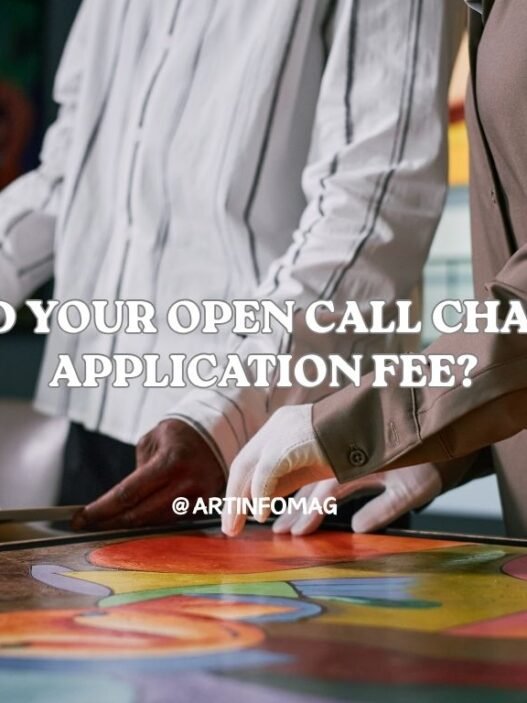
The open call remains the most fertile ground for early-stage discovery, but in 2026, “indiscriminate applying” is a relic of the past. Professional growth begins with Selective Prioritization.
- The “Right Fit” Rule: Rather than chasing every opportunity, artists are now aligning their submissions with their Central Question. If your practice explores “Climate Grief” or “AI Belief Systems,” you must target institutions and grants specifically seeking these narratives. Juries today look for Conceptual Clarity—the ability of an artist to articulate why their work matters now.
- The Credibility Filter: Success at this stage is measured by the quality of the network you enter. Participating in high-level competitions like the Krupa Art Foundation Young Prize or regional surveys like Wystaw się w CSW provides more than just a prize; it offers the first layer of institutional validation that catches the eye of the “Quiet Audience” (museum directors and specialized advisors).
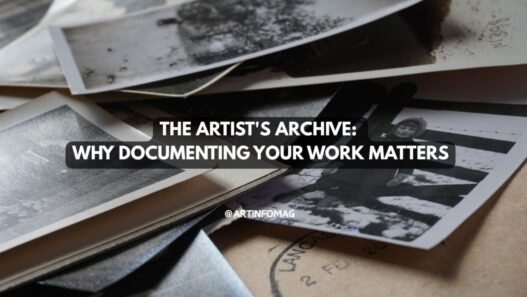
- Professional Documentation: In 2026, your “Digital Narrative” is your primary portfolio. High-fidelity documentation of an open-call exhibition often has a longer “Second Life” than the physical event itself, serving as the proof of concept for the next tier of growth.
2. The Catalyst: Residencies as Research and Network Hubs
If open calls provide visibility, residencies provide Infrastructure. In 2026, the most influential residencies (such as Gasworks London or the Embassy of Foreign Artists in Switzerland) have shifted toward a “Research-First” model.
- The “Time Out” Premium: A residency is a tactical “time out” from market pressure. Programs now emphasize Cross-Cultural Dialogue and Art-Science collaboration, allowing artists to develop the “Material Intelligence” that will define their mid-career work.
- Building Global Hubs: Moving your practice to an international hub—whether a metropolitan center or a rising regional axis like Doha or Almaty—is the most efficient way to build a cross-border network. These “phygital” (physical + digital) relationships are the foundation of future curatorial invitations.
- The Residency-to-Biennial Pipeline: Curators of major 2026 surveys, such as the Whitney Biennial or the 7th Mardin Biennial, often use residency rosters as their primary scouting grounds. A successful residency year is often the precursor to a breakthrough biennial debut.
3. The Elevation: From Interpretation to Institutional Stewardship
Scaling into the international circuit requires a transition from being a “maker” to being a “subject of discourse.” This is the stage where the Critic-as-Curator dynamic becomes essential.
- The Power of Narrative: In 2026, curators do more than just display work; they build Cultural Ecosystems. Success at this stage means your work is being integrated into larger “Intellectual Frameworks”—addressing themes like Neo-Figurative Identity or Technological Sustainability.
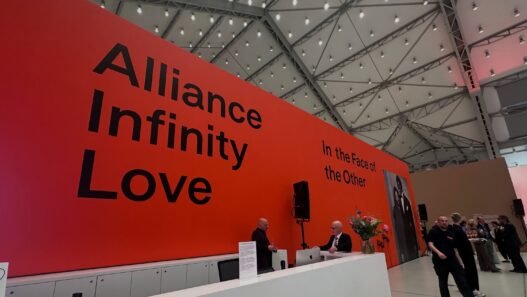
- Biennial Legitimacy: Participating in a biennial (like the 61st Venice Biennale: “In Minor Keys”) shifts an artist’s status from “Emerging” to “Historically Validated.” This transition is what builds long-term Price Stability. In a market that has learned to “slow down,” biennial inclusion is the strongest signal of an artist’s capacity to survive market cycles.
- The Curator-Artist Alliance: Modern curators act as “mediators” who secure the resources and infrastructure needed to realize ambitious, large-scale projects. This partnership is what allows an artist to take the Experimental Risks necessary to stand out in a global survey.
4. The Sovereignty: Institutional Futures and the Secondary Market
The final tier of an international career is defined by Legacy Thinking. This is the point where an artist’s work enters the permanent cultural record.
- Museum Acquisitions: The ultimate goal of the 2026 professional is the institutional acquisition. When a work enters a collection like Istanbul Modern or the Fondation Cartier, it is removed from speculative “flipping” and becomes a Historical Asset. This is the “Second Life” where the work’s meaning is preserved for future generations.
- The Secondary Market Rebalancing: In 2026, we are seeing a structural revaluation of historically underrepresented artists. An established international career is now anchored by strong performance in “Marquee Evening Sales” (London/NY), but only if the primary market was built on a foundation of Conceptual Rigor rather than hype.
- Asset Management: At this level, the artist (or their estate) manages their output to ensure Scarcity and Provenance. The work is no longer just art; it is a “historically validated category” of wealth and meaning.
Conclusion: The Disciplined Path to 2026 Mastery
The journey from an open call to an international career is a process of Conscious Rebalancing. In 2026, the artists who succeed are those who demonstrate:
- Conceptual Clarity: A “Sovereign Voice” that answers the urgent questions of our time.
- Technological Sustainability: A practice that intelligently integrates the digital without losing the “Authenticity” of the artist’s hand.
- Institutional Integration: A commitment to building long-term relationships with the curators and organizations that define art history.
For the Artinfoland community, the message is clear: Scaling is not about getting “bigger”; it is about getting deeper. By treating every open call as a strategic investment and every art residency as a research lab, the independent artist builds the “Narrative Authority” required to command the world’s most significant stages.